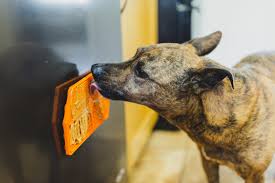
Unlike humans, pets can’t tell us when something hurts. They can’t point to a sore joint or describe a dull ache that’s been building for months. Instead, chronic pain in dogs and cats hides behind subtle behavioral shifts that owners often dismiss as “just getting older” or “a personality quirk.” Recognizing these hidden signs early can mean the difference between months of unnecessary suffering and a pet that gets the relief it needs.
Why Chronic Pain Is So Easy to Miss
Animals are biologically wired to mask pain. In the wild, showing weakness makes a creature vulnerable to predators or loss of status within a group, so the instinct to hide discomfort runs deep, even in pampered house pets. Chronic pain, unlike an acute injury, also develops gradually. There’s no single dramatic moment that signals something is wrong, just a slow drift in behavior that’s easy to attribute to aging or mood.
This is compounded by the fact that many owners genuinely believe a slowing-down pet is simply “acting its age.” While some decline is normal, persistent pain is not, and it’s far more common in aging pets than most people realize.
Behavioral Signs in Dogs
Dogs in chronic pain often show changes that look more like personality shifts than physical symptoms:
- Reluctance to jump onto furniture, into the car, or up stairs
- Slower to rise after lying down, or stiffness that improves after a few minutes of movement
- Decreased interest in walks or shorter walks than usual
- Increased irritability or snapping when touched in certain areas
- Excessive licking or chewing at a specific body part
- Changes in posture, such as a hunched back or a lowered head while standing
- Panting or restlessness at rest, without an obvious heat or exertion cause
Behavioral Signs in Cats
Cats are even more skilled at concealing pain than dogs, which makes vigilance especially important for cat owners. Watch for:
- Reduced jumping height or hesitation before jumping onto favorite perches
- Decreased grooming, leading to a matted or unkempt coat
- Overgrooming or excessive licking in one specific area
- Hiding more than usual or reduced interaction with family members
- Changes in litter box habits, including accidents outside the box if jumping in causes discomfort
- A hunched posture with the body tucked tightly, or a tucked tail
- Decreased appetite or reluctance to eat from a raised or lowered bowl
- Facial tension, including squinted eyes or flattened whiskers, which veterinary researchers have identified as part of a feline “pain face”
Physical Signs to Watch For
Beyond behavior, there are physical indicators worth monitoring closely. Muscle loss around the hips or spine can signal that a pet is shifting weight away from a painful joint. Uneven wear on nails, particularly if one paw drags slightly, can point to gait changes from pain. Swelling, heat, or sensitivity around joints, and a noticeably reduced range of motion when a limb is gently moved, are also red flags worth raising with a veterinarian.
Common Causes of Chronic Pain
Several conditions are responsible for the majority of chronic pain cases in companion animals:
- Osteoarthritis, which affects a significant percentage of older dogs and cats and is one of the most underdiagnosed conditions in veterinary medicine
- Dental disease, which can cause persistent oral pain that owners rarely notice because pets continue eating out of necessity
- Intervertebral disc disease, particularly in breeds with long backs or short legs
- Chronic ear infections, which can cause ongoing discomfort that’s mistaken for head-shaking habits
- Cancer-related pain, which often develops gradually and is easy to confuse with general aging
Read Also: Pet-Friendly Home Upgrades That Improve Your Animal’s Quality of Life
How Veterinarians Diagnose Chronic Pain
Because pets can’t self-report, vets rely on a combination of tools: a detailed history from the owner about subtle behavior changes, a hands-on physical exam to check for sensitivity and range of motion, imaging such as X-rays to identify joint or spinal issues, and in some cases, a short trial of pain medication to see whether behavior improves, which can itself be diagnostic. Owners play a critical role here, since vets only see a snapshot of behavior during a short appointment, while owners observe the day-to-day patterns at home.
Management and Treatment Options
The good news is that chronic pain is highly manageable once identified. Options typically include anti-inflammatory medications prescribed specifically for animals, joint supplements containing glucosamine and omega-3 fatty acids, weight management to reduce stress on joints, physical therapy or controlled exercise programs, and in some cases, acupuncture or laser therapy, which growing numbers of veterinary clinics now offer as complementary treatments. Environmental adjustments matter too: ramps instead of stairs, orthopedic bedding, and raised food bowls can all meaningfully reduce daily strain on a painful body.
When to See a Veterinarian
Never attempt to medicate a pet with human pain relievers, many of which, including common over-the-counter options, are toxic to dogs and cats. If you notice any combination of the signs above persisting for more than a week or two, schedule a veterinary exam. Bring specific notes or even video of the behavior you’ve observed, since pets often act differently in the clinic than they do at home, and your observations may be the most valuable diagnostic information available.
Final Thoughts
Chronic pain in pets is often invisible until owners learn what to look for. A dog that’s “slowing down” or a cat that’s “just more independent lately” may actually be quietly managing daily discomfort. By paying close attention to subtle shifts in movement, mood, and habits, you give your pet the best chance at an early diagnosis and a much better quality of life. Pain management isn’t just about comfort, it’s about giving your animal back the energy and joy that pain has been quietly stealing away.