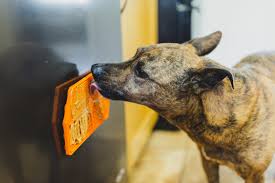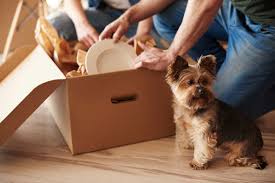
Moving day is stressful enough for humans, but it’s easy to forget that our pets experience the upheaval just as intensely, if not more so. Dogs and cats build their sense of security around scent, territory, and routine. When all three are suddenly disrupted, the result can be weeks of anxiety, withdrawal, or even physical symptoms. Understanding how relocation affects your pet’s mental health is the first step toward making the transition as smooth as possible for the whole family.
Why Moving Is So Disruptive for Animals
Pets don’t understand the concept of “we’re moving to a better place.” All they know is that their familiar smells, sounds, and landmarks have vanished overnight. Cats in particular are territorial creatures who map their environment through scent marking, and losing that scent map can feel like losing a sense entirely. Dogs rely heavily on routine and the predictability of their environment, so unfamiliar walking routes, new neighborhood sounds, and an unrecognizable home layout can trigger genuine confusion and stress.
Add to this the chaos of the moving process itself, boxes appearing, furniture disappearing, strangers in and out of the house, and it’s no surprise that many pets show behavioral changes well before the move even happens.
Signs Your Pet Is Struggling with the Transition
Every animal reacts differently, but common signs of relocation stress include:
- Excessive hiding or seeking out small, enclosed spaces
- Loss of appetite or sudden overeating
- Increased vocalization, such as meowing or whining
- House-soiling or litter box avoidance in cats
- Destructive chewing or scratching in dogs
- Clinginess or, conversely, unusual aloofness
- Excessive grooming or licking, sometimes to the point of creating bald patches
These behaviors are not your pet being “difficult.” They are communication. An animal showing these signs is telling you that its sense of safety has been compromised, and it needs help re-establishing that safety in the new environment.
Read Also: 10 Unbelievable Facts About German Shepherds That You Never Knew
How Dogs and Cats Respond Differently
Dogs tend to take cues from their owners’ emotional state and the energy of the household. A dog that senses its person is stressed during the move will often mirror that anxiety. Many dogs adjust relatively quickly once a new walking routine and feeding schedule are established, because dogs are adaptable pack animals who prioritize relationships over physical territory.
Cats, on the other hand, are far more territory-driven. A cat suddenly placed in a new home with no familiar scent cues may feel as though its entire safety system has collapsed. This is why cats often take longer to settle, sometimes several weeks, and why a slow, controlled introduction to the new space matters more for cats than for dogs.
Preparing Before the Move
Preparation can dramatically reduce the shock of moving day. Helpful steps include:
- Maintaining your pet’s feeding, walking, and play schedule as consistently as possible in the weeks leading up to the move
- Packing gradually rather than all at once, so the home doesn’t suddenly transform overnight
- Introducing the travel crate or carrier early, with treats and positive associations, so it isn’t only linked to stressful events
- Updating microchip information and identification tags with the new address ahead of time
- Setting aside a “comfort box” of unwashed bedding, favorite toys, and familiar items that will be the very first things unpacked at the new home
Managing Moving Day Itself
On the day of the move, the safest option for most pets is to keep them confined to one quiet, secure room, away from the open doors and unfamiliar movers, until the bulk of the activity has settled down. For longer-distance moves, a carrier with familiar bedding and a piece of unwashed clothing carrying your scent can be enormously calming.
If you’re moving by car, plan for frequent breaks for dogs, and avoid letting cats out of their carriers until you reach the destination, even if they seem distressed, since this is one of the highest-risk moments for pets to bolt and become lost.
Settling In: The First Few Weeks
Once you arrive, resist the urge to give your pet full access to the new home immediately. For cats especially, start with a single “base room” containing food, water, a litter box, and familiar bedding. Allow them to explore the rest of the house gradually over days, expanding their territory only once they seem confident in the smaller space.
For dogs, re-establishing the previous routine as quickly as possible, same feeding times, same walk schedule, same play sessions, helps signal that despite the new surroundings, life is still predictable and safe.
Pheromone diffusers designed for cats or dogs can also ease the transition by mimicking the calming chemical signals animals naturally produce. Avoid introducing other major changes during this period, such as a new diet or a new grooming routine, since piling on additional change while your pet is already adjusting can prolong the stress response.
When to Seek Professional Help
Most pets adjust within two to four weeks. However, if your pet continues to show signs of significant distress beyond a month, stops eating for more than a day or two, shows signs of aggression that weren’t previously present, or develops compulsive behaviors like excessive licking, it’s worth consulting your veterinarian. Persistent stress can sometimes mask or worsen underlying medical issues, and a vet can rule out physical causes before considering behavioral support or, in some cases, referral to a veterinary behaviorist.
Final Thoughts
A move is a major life event, and your pet experiences it as such, even without understanding why it’s happening. By recognizing the signs of stress, preparing thoughtfully, and giving your animal the time and structure it needs to rebuild its sense of security, you can turn what feels like upheaval into a manageable transition. Patience is the most valuable tool you have. Your pet will find its footing in the new home, often faster than you expect, once it learns that you, and the routines that matter most, came along for the journey.