Most homes are designed with human convenience in mind, not the comfort or instincts of the animals who live in them. Yet small, thoughtful changes to your living space can have a significant impact on your pet’s day-to-day wellbeing, reducing stress, supporting natural behaviors, and even preventing injuries. You don’t need a full renovation to make a meaningful difference, just an understanding of what your pet actually needs from their environment.
Flooring and Traction
Hardwood, tile, and laminate floors look great, but they can be a serious problem for pets, particularly older dogs, large breeds, and cats with mobility issues. Slippery surfaces make pets hesitant to run, jump, or play, and repeated slipping can contribute to joint strain over time. Adding runners, area rugs, or non-slip mats along frequently traveled paths, especially near food bowls, doorways, and favorite resting spots, gives pets the traction they need to move confidently. For multi-level homes, non-slip treads on stairs are a particularly worthwhile investment for senior pets.
Vertical Space for Cats
Cats are naturally inclined to seek height, both for safety and for a better vantage point over their territory. A home that offers nothing but floor-level space can leave a cat feeling exposed and understimulated. Wall-mounted shelves, cat trees, and window perches give cats the vertical territory they crave. Positioning at least one perch near a window with outdoor views adds an extra layer of enrichment, since cats often spend hours simply observing birds, leaves, or passing activity outside.
Read Also: Pet Emergency Kit Checklist: What Every Owner Should Have Ready
Quiet Retreat Zones
Every pet benefits from having a space that is entirely their own, somewhere they can retreat to when the household gets noisy or overwhelming. For dogs, this might be a covered crate or a dog bed tucked into a low-traffic corner. For cats, it could be a covered hideaway, a closet shelf, or simply an enclosed cat bed. The key feature of a good retreat zone is that it’s never used for anything negative, no nail trims, no scolding, no medication, so the pet learns to associate it purely with safety and rest.
Enrichment Stations
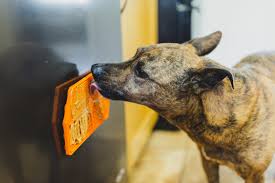
A dedicated enrichment area, even a small one, can dramatically improve a pet’s mental stimulation. This might include a rotating selection of puzzle feeders, a scratching post placed strategically near a favorite resting spot, a digging box for dogs with a strong digging instinct, or a designated sniffing garden made from safe, pet-friendly plants. Enrichment stations give pets an outlet for natural behaviors that might otherwise show up as destructive habits elsewhere in the home.
Outdoor Access Done Safely
For cat owners concerned about outdoor risks like traffic, predators, and disease, a catio, an enclosed outdoor structure attached to the home, offers a safe middle ground. Catios allow cats to experience fresh air, sunlight, and outdoor stimulation without the dangers of unsupervised roaming. For dog owners, securely fenced yards with shaded areas and accessible water reduce the risk of escape while giving dogs the freedom to explore at their own pace.
Climate and Comfort Considerations
Pets regulate temperature differently than humans, and homes that are comfortable for people aren’t always ideal for animals. Providing a cool tile area or a cooling mat for pets in warmer climates, along with ensuring at least one draft-free, warm resting spot for winter months, helps pets stay comfortable year-round. Senior pets and short-haired breeds in particular benefit from orthopedic, heated bedding during colder months, since joint stiffness tends to worsen in the cold.
Pet-Safe Materials and Plants
Home upgrades should also consider what materials and decor are safe for curious noses and mouths. Many common houseplants, including lilies, sago palms, and certain types of ivy, are toxic to cats and dogs and should be removed or placed well out of reach. When choosing rugs, furniture, and cleaning products, opting for non-toxic, pet-safe materials reduces the risk of accidental poisoning, particularly important in households with young or especially curious animals.
Smart Technology Upgrades
Modern home technology has opened up new ways to support pet wellbeing, even when owners aren’t home. Automatic feeders help maintain consistent mealtimes, which is particularly valuable for pets prone to anxiety around feeding schedules. Pet cameras allow owners to check in, and in some cases dispense treats or speak to their pet remotely, which can ease separation anxiety. Smart litter boxes that track usage patterns can also serve as an early warning system for urinary issues, a common and sometimes serious health concern in cats.
Designing Around Multi-Pet Households
Homes with multiple pets need extra consideration to prevent resource-related stress. The general guideline among behaviorists is to provide one resource per pet, plus one extra, applying this to litter boxes, food and water stations, and resting spots. Spacing these resources throughout the home rather than clustering them in one area reduces competition and the low-level tension that can build when pets feel they need to guard access to food, water, or rest.
Final Thoughts
Improving your pet’s quality of life doesn’t require an expensive overhaul of your home. It requires looking at your space through your animal’s eyes, considering their need for safety, stimulation, comfort, and natural behavior outlets that a typical human-centered home doesn’t automatically provide. Whether it’s a simple rug for better traction, a window perch for a curious cat, or a quiet retreat space away from household chaos, these upgrades add up to a home environment where your pet doesn’t just survive, but genuinely thrives.