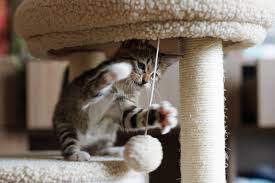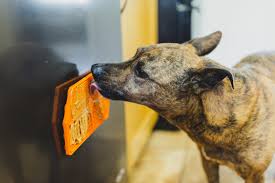
Anyone who has come home after a terrible day to find their dog pressed anxiously against their leg, or their cat suddenly avoiding the room entirely, has probably wondered the same thing: do animals actually know when we’re stressed? The short answer, according to a growing body of research, is yes. Pets are remarkably attuned to human emotional states, and the way they pick up on our stress is more sophisticated than simple coincidence.
The Science Behind the Connection
Researchers studying human-animal bonds have found measurable physiological links between owners and their pets. Several studies on dogs and their owners have found that cortisol levels, the hormone associated with stress, tend to synchronize between dogs and their human companions over time. In other words, dogs in chronically stressed households often show elevated baseline stress hormones themselves, even without an obvious stressor of their own.
This synchronization isn’t just emotional contagion in the loose sense, it appears to be a real biological response. Dogs have lived alongside humans for tens of thousands of years, and that long co-evolution appears to have wired them to read human emotional signals with extraordinary precision.
How Dogs Pick Up on Stress
Dogs use a combination of senses to detect human stress, often well before we’re consciously aware of feeling it ourselves:
- Body language: tense shoulders, clenched jaws, and rigid posture are all visual cues dogs are skilled at reading
- Tone of voice: dogs respond more to the pitch and rhythm of speech than the actual words, picking up on the emotional “music” behind what we say
- Scent: research has shown that dogs can detect chemical changes in human sweat associated with stress, essentially smelling cortisol-related compounds released through perspiration
- Facial expressions: dogs are particularly skilled at reading micro-expressions around the eyes and mouth, a skill thought to have developed through close contact with humans over generations
Once a dog detects these signals, it often responds with its own anxiety behaviors: pacing, panting, increased clinginess, or even avoidance, mirroring the emotional state it has picked up from its owner.
Do Cats Sense Stress Too?
Cats are frequently assumed to be less emotionally attuned than dogs, but research increasingly suggests otherwise. Cats have been shown to alter their behavior based on their owner’s emotional expressions, approaching more readily when an owner appears happy and showing more cautious behavior around expressions of anger or distress. Cats are also highly sensitive to changes in household routine and tension, often responding to stress not with direct comfort-seeking behavior like dogs, but with withdrawal, hiding, or changes in grooming and litter box habits.
Because cats evolved as more solitary, territorial animals than dogs, their stress responses tend to be quieter and easier to miss, but the underlying sensitivity to a tense household appears to be very real.
Why This Sensitivity Exists
From an evolutionary standpoint, this heightened sensitivity makes sense. Animals that live in close proximity to humans benefit from accurately predicting human behavior, since human mood often dictates whether they’ll be fed on time, given attention, or even handled gently. Dogs, having been selectively bred for cooperation and companionship over thousands of years, developed an especially refined ability to read human cues as a survival and social advantage.
The Two-Way Street: Pets and Our Stress Levels
Interestingly, the relationship works both directions. Numerous studies have found that interacting with a calm, friendly pet, through petting, eye contact, or simple presence, can lower human cortisol levels and reduce blood pressure. This is part of the basis for therapy animal programs in hospitals, schools, and disaster response settings. The bond isn’t just pets absorbing our stress; in many cases, they can actively help regulate it, provided the relationship itself is a secure and positive one.
Signs Your Pet May Be Reacting to Your Stress
If you suspect your own stress levels are affecting your pet, look for these patterns:
- Increased shadowing or following behavior during tense periods
- Changes in appetite that coincide with stressful events at home
- Excessive licking, grooming, or chewing during arguments or high-tension moments
- Sudden hiding behavior in cats during loud conversations or visible distress
- Pacing, whining, or vocalizing when household tension rises
Practical Tips for a Calmer Household
Since pets are so responsive to our emotional state, managing your own stress is genuinely one of the best things you can do for your animal’s wellbeing. Some practical approaches include maintaining predictable daily routines, since unpredictability itself is a stressor for both pets and people, practicing calm, slow body language and a lower vocal tone during tense moments, giving pets a quiet retreat space they can withdraw to without disturbance, and incorporating short calming rituals, like a daily walk or quiet petting session, that benefit both you and your animal simultaneously.
Final Thoughts
The bond between pets and their owners runs deeper than companionship alone. Dogs and cats are finely tuned to our emotional states, picking up on cues we may not even register ourselves, and they often respond by mirroring that stress in their own behavior. The encouraging side of this sensitivity is that it works in both directions: a calmer home life benefits your pet, and your pet’s steady presence can genuinely help calm you in return. Recognizing this connection isn’t just an interesting scientific finding, it’s a practical reminder that caring for your own mental wellbeing is also a form of caring for your pet’s.