Bringing a new baby home is one of the biggest changes a household can experience, and pets feel that shift just as much as anyone else in the family. Routines change overnight, attention is suddenly divided, and an entirely new set of sounds, smells, and schedules enters the home. With thoughtful preparation, most pets adjust well to a new baby and go on to form a close, gentle bond. The key is starting the process early and managing the transition deliberately, rather than hoping things simply work themselves out.
Why Preparation Matters
Pets thrive on predictability, and a new baby disrupts nearly every predictable element of their world at once: feeding times shift, walks become shorter or less frequent, and the amount of one-on-one attention a pet receives often drops significantly in the early weeks. Without preparation, this sudden change can lead to anxiety, jealousy-driven behaviors, or even resentment-like avoidance of the new family member. Starting adjustments months before the baby arrives gives pets time to adapt gradually rather than facing abrupt, overwhelming change all at once.
Before the Baby Arrives
Several months before the due date is the ideal window to begin adjustments. Useful steps include:
- Gradually shifting feeding, walking, and play schedules to match what they’re likely to look like after the baby arrives, rather than changing everything overnight on day one
- Introducing baby-related sounds in advance, such as recordings of a crying infant played at low volume, gradually increasing over time so the sound becomes familiar rather than alarming
- Setting up nursery furniture and baby gear early, so pets have time to investigate and become bored with these new objects before they’re associated with a major life change
- Establishing any new household rules, such as keeping pets out of the nursery or off certain furniture, well before the baby comes home, so the pet doesn’t associate the new rule directly with the baby’s arrival
Reinforcing Training and Boundaries
Basic obedience becomes far more important once a baby is in the home. Commands like “leave it,” “stay,” and a reliable recall can be essential for managing situations quickly, such as keeping a curious dog calmly at a distance during diaper changes or feeding time. For cats, this might mean working in advance to discourage jumping onto specific surfaces, like a changing table or crib, using consistent, gentle redirection rather than punishment, which tends to increase anxiety rather than resolve the behavior.
The Scent Introduction Strategy
One of the most effective and widely recommended techniques is introducing the baby’s scent before the in-person introduction happens. Many parents bring home a blanket or piece of clothing the baby has worn from the hospital, allowing the pet to investigate it calmly at home before meeting the baby directly. This gives the pet a chance to process the new scent without the added stimulation of sound, movement, and unfamiliar handling all at once.
The First Introduction
When the actual introduction happens, calm energy from the parents matters enormously, since pets pick up on tension and excitement alike. For dogs, it often helps to have someone hold the leash loosely while the dog approaches at its own pace, allowing it to sniff and investigate without being forced closer than it’s comfortable with. For cats, a hands-off approach usually works best, simply allowing the cat to observe from a distance and approach in its own time, rather than holding the baby close to the cat’s face. Never force any pet into direct contact during this first meeting; building positive associations gradually is far more effective than rushing the process.
Managing Jealousy and Anxiety
It’s common, and entirely normal, for pets to show signs of jealousy or anxiety after a baby arrives. This might look like attention-seeking behaviors, increased vocalization, or even mild regression in house training. Rather than reducing attention toward the pet further as a response, set aside dedicated one-on-one time each day, even just ten to fifteen minutes of focused play or affection, to reassure the pet that they remain a valued part of the family. Positive reinforcement during calm interactions with the baby, treats and praise when the pet remains relaxed nearby, helps build a positive emotional association rather than a competitive one.
Safety Practices That Should Never Be Skipped
Even the gentlest, most trustworthy pet should never be left alone and unsupervised with an infant. This isn’t a reflection of distrust in the animal, it’s simply responsible practice, since even well-meaning pets can behave unpredictably around unfamiliar sounds or sudden movements from a baby. Physical barriers like baby gates can help create separate, safe zones during moments when direct supervision isn’t possible, and these barriers also give pets their own retreat space away from the noise and unpredictability that can come with a newborn.
Long-Term Integration
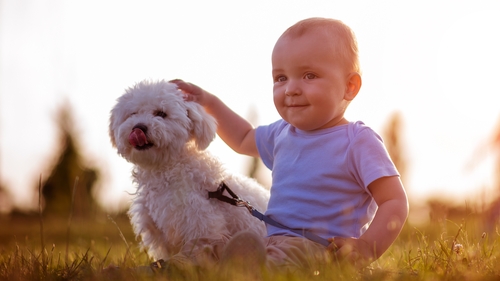
As the baby grows into a mobile toddler, the relationship dynamic shifts again, and ongoing supervision and gentle guidance remain important. Teaching children, even very young ones, basic respect for a pet’s space, no pulling tails, no disturbing a pet while it’s eating or sleeping, helps build a relationship based on mutual comfort rather than tolerance on the pet’s part alone.
When to Seek Professional Support
If a pet shows ongoing signs of significant stress, aggression, or anxiety that don’t improve with time and positive reinforcement, consulting a veterinarian or a certified animal behaviorist is a wise step. Early intervention with professional guidance is far more effective than waiting for a situation to escalate, and many behaviorists specialize specifically in pet-and-baby transitions.
Final Thoughts
A new baby doesn’t have to mean a difficult adjustment for your pet. With early preparation, gradual exposure, consistent routines, and patient management of the first introductions, most pets settle into their new role as an older sibling figure surprisingly well. The investment of time and attention during this transition pays off in a household where pet and baby can grow up together safely and, often, with genuine affection for one another.