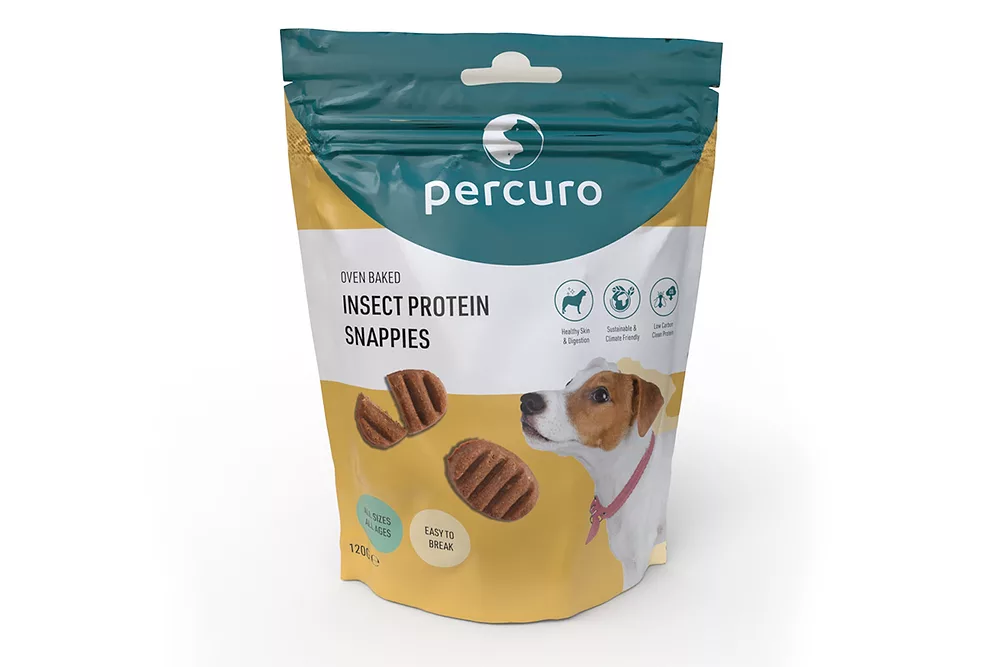
Let’s be real—when most people first hear about insect-based pet food, the reaction is usually something like:
“Wait… you want me to feed my dog bugs?”
It sounds strange at first. Even uncomfortable.
But here’s what’s interesting…
Behind that unusual idea is actually one of the fastest-growing trends in pet nutrition right now—and not just because of sustainability, but because of real nutritional potential.
So the big question is:
Is insect-protein pet food actually worth it nutritionally?
Or is it just another trendy concept that sounds better than it performs?
Let’s break it down in a way that actually makes sense.
First—What Exactly Is Insect Protein?
In simple terms, insect-based pet food uses protein from insects like:
- Black soldier fly larvae
- Mealworms
- Crickets
These are processed into:
- Protein meals (like chicken meal, but from insects)
- Oils (rich in fats)
- Whole or blended ingredients in kibble or wet food
And no—it doesn’t look like insects when it’s done. It looks just like regular pet food.
The Big Nutritional Question: Is It Actually “Complete”?
Let’s go straight to what matters most—nutrition.
Pets don’t care where protein comes from.
What matters is:
- Amino acids
- Digestibility
- Nutrient balance
And this is where insect protein gets interesting…
1. Strong Amino Acid Profile
Research shows that many insects meet or exceed essential amino acid requirements for both dogs and cats.
That’s huge.
Because protein quality isn’t about “meat vs non-meat”—it’s about whether it provides the building blocks your pet needs.
Even more interesting:
- Some insects contain taurine, which is essential for cats
- Many plant-based proteins don’t naturally provide this
So nutritionally? Insects are already ahead of many alternatives.
2. High Digestibility (Meaning Your Pet Actually Uses It)
It’s not enough for food to contain nutrients—your pet has to absorb them.
Studies show that insect-based diets have digestibility levels comparable to traditional animal proteins.
In simple terms:
👉 Your pet’s body can actually use the protein effectively.
That’s a big win.
3. Packed with Extra Nutrients
Insects aren’t just protein—they’re surprisingly rich in:
- Healthy fats
- Vitamins
- Minerals
Some newer innovations even combine insect protein with bioactive compounds (like mushroom nutrients) to boost immune and functional health benefits.
So we’re not just talking about “replacement protein”…
We’re talking about functional nutrition.
But Here’s Where You Need to Be Careful
Now let’s be honest—this isn’t a perfect solution.
There are some important limitations you should understand.
- It’s Not Always Nutritionally Complete on Its Own
Some insect proteins may be slightly low in certain amino acids like:
- Methionine
- Threonine
So most commercial insect-based foods:
👉 Supplement and balance the formula
This means quality depends heavily on the brand and formulation, not just the ingredient itself.
- Long-Term Research Is Still Developing
While early studies are promising, scientists are clear about one thing:
👉 We still need more long-term studies on safety and health outcomes.
So while current evidence is positive, it’s not yet as extensively researched as traditional meat-based diets.
- Safety & Sourcing Matters A Lot
Insects can potentially:
- Accumulate contaminants
- Carry allergens
- Be affected by poor farming conditions
So quality control is critical.
Not all insect-based foods are equal—some are excellent, others… not so much.
What About Taste? (Because If They Won’t Eat It, It Doesn’t Matter)
Here’s something most people don’t expect…
Pets actually like it.
In one study:
- 94% of dogs
- 81% of cats
…willingly ate insect-based food and responded positively.
So palatability?
Not a problem.
Where Insect Protein REALLY Shines
Now let’s talk about the situations where this type of food truly stands out.
1. Pets With Food Allergies
This is a big one.
Many pets develop allergies to:
- Chicken
- Beef
- Dairy
Insect protein is considered a novel protein, meaning:
👉 Your pet’s body hasn’t been exposed to it before
That makes it an excellent option for sensitive pets.
- Digestive Issues
Because it’s highly digestible and relatively simple, it can be:
- Easier on the stomach
- Less likely to cause inflammation
- Sustainable Feeding (Bonus Advantage)
Even though this isn’t “nutrition” directly, it matters.
Insect protein:
- Uses less land and water
- Produces far less carbon emissions
For example, insect protein production can generate significantly lower CO₂ than traditional meat sources.
So if sustainability matters to you, this is a major plus.
So… Is It Worth It?
Let’s keep this real and balanced.
YES — It’s nutritionally worth it IF:
- The food is properly formulated and balanced
- It comes from a trusted brand
- Your pet has allergies or sensitivities
- You want a sustainable option
BUT — It’s not automatically better IF:
- It’s poorly formulated
- You’re replacing a high-quality meat diet with a low-quality insect one
- You expect it to be a miracle solution
The Truth Most People Miss
Here’s the key takeaway most people don’t realize:
👉 Pets need nutrients—not specific ingredients.
Whether it comes from:
- Chicken
- Fish
- Or insects
What matters is:
- Amino acid completeness
- Digestibility
- Overall balance
And insect protein?
It checks a lot of those boxes.
Final Thoughts
So is insect-protein pet food just hype?
No. Not at all.
It’s actually:
- Nutritionally solid
- Scientifically promising
- Practically useful (especially for allergies)
But like anything in pet nutrition—it’s not about trends.
It’s about quality, balance, and what works for your specific pet.
If chosen correctly, insect-based food isn’t just “acceptable”…