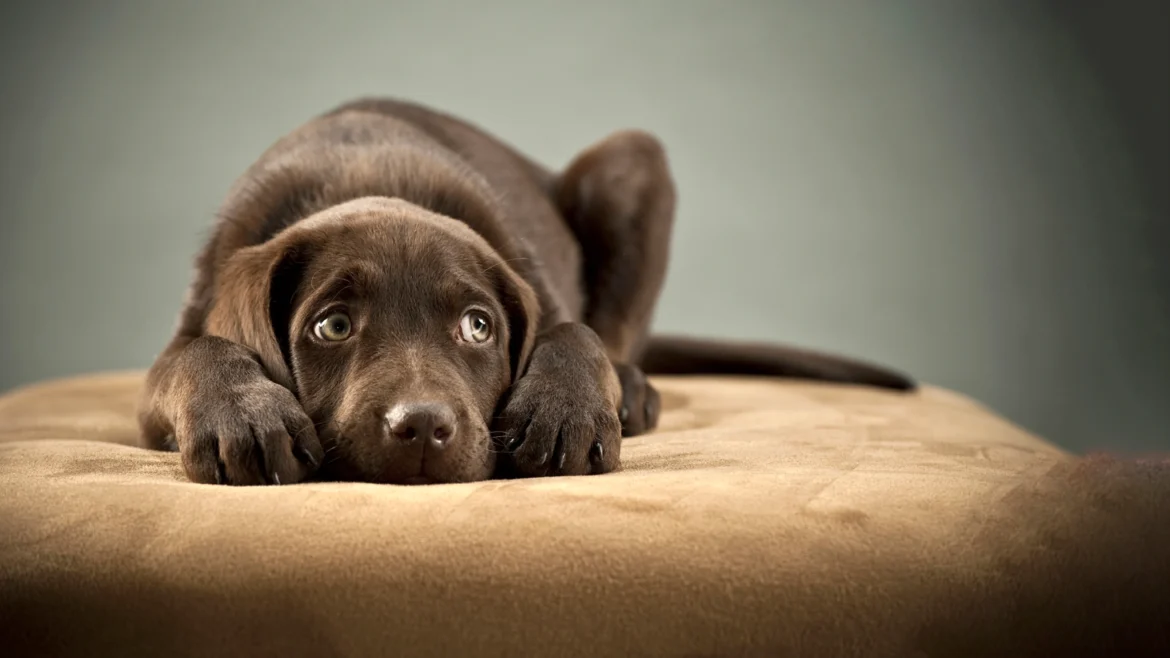
If you’ve ever come home to chewed furniture, constant barking, hiding under the bed, or even unusual aggression, there’s a good chance your pet isn’t being “difficult”… they’re anxious.
And here’s the thing most people don’t realize—pet anxiety is way more common than it looks.
Some pets suffer silently. Others act out. But either way, anxiety can seriously affect their health, behavior, and overall happiness if it’s not properly understood and managed.
So let’s break this down in a real, practical way—what pet anxiety actually looks like, what causes it, and most importantly, the best enrichment activities that can calm and transform a nervous pet.
First—What Does Anxiety in Pets Really Look Like?
Anxiety isn’t always obvious. It doesn’t always show up as panic or chaos
Sometimes, it’s subtle.
Here are some common signs:
- Excessive barking or meowing
- Destructive behavior (chewing, scratching, digging)
- Pacing or restlessness
- Hiding or avoiding interaction
- Loss of appetite
- Over-licking or grooming
- Sudden aggression
Now here’s where it gets interesting…
A lot of people misinterpret these behaviors as “bad habits,” when in reality, they’re stress responses.
Your pet isn’t trying to annoy you—they’re trying to cope.
What Actually Causes Pet Anxiety?
There’s no single cause. Anxiety in pets can come from different directions, depending on their personality and experiences.
Some of the most common triggers include:
1. Separation Anxiety
This is huge—especially for dogs.
When you leave the house, your pet may feel abandoned or unsafe. That’s why you see behaviors like whining, barking, or destroying things while you’re gone.
2. Lack of Mental Stimulation
Imagine sitting in a room all day with nothing to do.
That boredom quickly turns into stress.
Pets—especially intelligent ones—need mental engagement. Without it, anxiety builds up.
3. Past Trauma or Poor Socialization
Rescue pets or animals that weren’t properly socialized early in life may be naturally more fearful.
New environments, strangers, or loud sounds can easily overwhelm them.
4. Environmental Changes
Something as simple as moving houses, introducing a new pet, or even rearranging furniture can trigger anxiety.
Pets love routine. When that routine is disrupted, stress can follow.
So… How Do You Help?
This is where enrichment activities come in.
And no—this isn’t just about “keeping your pet busy.”
Real enrichment:
- Calms the mind
- Builds confidence
- Reduces stress triggers
- Creates a sense of control
Let’s get into the ones that actually work.
Best Enrichment Activities for Nervous Pets
1. Puzzle Toys (Mental Workout = Calm Mind)
This is one of the most effective tools you can use.
Puzzle toys challenge your pet to think—whether it’s finding hidden treats or solving a simple problem.
Why it works:
- Keeps their brain engaged
- Redirects anxious energy
- Builds confidence when they “win”
Start simple. If it’s too hard, your pet may get frustrated instead of relaxed.
2. Sniffing Games (Natural Stress Relief)
For dogs especially, sniffing is incredibly calming.
Try this:
- Hide treats around the house
- Let your dog “hunt” for them
This taps into their natural instincts and gives them a job to do.
And here’s the bonus:
10 minutes of sniffing can be more exhausting than a long walk.
3. Interactive Play Sessions
This isn’t just throwing a toy and scrolling your phone.
Engage fully.
Use toys like:
- Tug ropes
- Feather wands (for cats)
- Fetch balls
The goal is connection + movement.
This helps:
- Release pent-up energy
- Strengthen your bond
- Build trust (especially for anxious pets)
4. Safe Spaces (A Place to Decompress)
Every anxious pet needs a “safe zone.”
This could be:
- A crate
- A cozy bed in a quiet corner
- A covered area where they feel protected
Don’t force them out of it. Let it be their escape when things feel overwhelming.
You can make it even better by adding:
- Familiar toys
- Blankets with your scent
5. Routine-Based Activities (Predictability Reduces Stress)
This one is powerful—and often overlooked.
Pets feel safer when they know what’s coming next.
Try to keep:
- Feeding times consistent
- Walk schedules predictable
- Playtime regular
When your pet can “predict” their day, anxiety drops significantly.
6. Training Sessions (Confidence Building)
Training isn’t just about obedience—it’s about communication.
Simple commands like:
- Sit
- Stay
- Come
…can actually build your pet’s confidence.
Why?
Because they start understanding how to interact with their environment—and that reduces fear.
Keep sessions short, positive, and reward-based.
7. Calming Music or Sound Therapy
It sounds surprising, but it works.
Soft music or white noise can help mask triggering sounds like:
- Thunder
- Fireworks
- Traffic
There are even playlists specifically designed for pets.
This is especially helpful if your pet gets anxious when left alone.
8. Slow Feeding & Lick Mats
These are underrated.
Lick mats or slow feeders:
- Extend feeding time
- Provide calming stimulation
Licking itself has a soothing effect on pets—it’s almost like a natural stress reliever.
Perfect for nervous eaters or pets that get anxious around mealtime.
9. Gradual Exposure (For Long-Term Progress)
If your pet is afraid of something specific (like strangers or car rides), avoidance isn’t always the solution.
Instead, introduce the trigger slowly and positively.
Example:
- Start from a distance
- Reward calm behavior
- Gradually reduce the distance over time
This builds tolerance and reduces fear in a controlled way.
10. Physical Exercise (But Done Right)
Exercise helps—but here’s the key:
👉 It must match your pet’s energy level
Too little exercise = pent-up stress
Too much = exhaustion (which can also increase anxiety)
Find the balance:
- Daily walks
- Play sessions
- Light training
What You Should Avoid
Let’s clear this up quickly…
❌ Punishing anxious behavior
❌ Ignoring consistent stress signals
❌ Overwhelming your pet with too many new activities at once
These can make anxiety worse.
The Bigger Picture
Helping an anxious pet isn’t about “fixing” them overnight.
It’s about:
- Understanding their triggers
- Creating a safe environment
- Giving them tools to cope
And most importantly—being patient.
Some pets improve quickly. Others take time. But with the right approach, progress always happens.
Final Thoughts
Your pet doesn’t need a perfect environment.
They need:
- Safety
- Consistency
- Mental engagement
- Your presence
And when you start adding the right enrichment activities into their daily life, something amazing happens…
You don’t just reduce anxiety—
You build a more confident, relaxed, and emotionally secure pet.
And honestly, there’s nothing better than seeing a once-nervous pet finally feel at ease in their world.