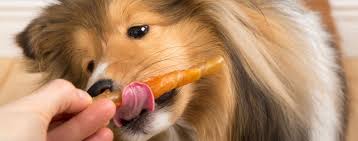
Treats aren’t just indulgences—they are one of the most powerful tools in a pet owner’s toolkit for shaping behavior, reinforcing training, and enhancing overall well-being. When used correctly, treats can improve learning, strengthen bonds, and even support health. Conversely, misused treats can lead to weight gain or behavior problems.
In this comprehensive guide, we’ll explore why pets need treats, the psychology behind treat-based reinforcement, the types of treats available, and strategies to use them effectively to shape behavior for dogs, cats, and even small pets.
Why Treats Are More Than Just Snacks
1. Positive Reinforcement for Training
Treats are the cornerstone of positive reinforcement, a training method based on rewarding desired behaviors rather than punishing unwanted ones.
-
When a pet performs a behavior and receives a treat, the brain associates the action with a positive outcome.
-
Over time, the pet learns to repeat the behavior to earn rewards.
Examples:
-
Dogs learning sit, stay, or recall commands
-
Cats using scratching posts instead of furniture
-
Rabbits learning to respond to signals or come for food
2. Motivation and Engagement
Treats act as motivators during training sessions or enrichment activities. Pets, especially high-energy or intelligent breeds, are more likely to engage and concentrate when there’s a reward at the end.
3. Bond Strengthening
Giving treats in a controlled manner strengthens the human-animal bond. Pets learn to trust you as a source of comfort, reward, and positive experiences.
4. Mental Stimulation
Puzzle toys, treat dispensers, and interactive feeders transform treats into a brain workout, encouraging problem-solving and focus.
5. Health Benefits (When Used Wisely)
Some treats go beyond flavor:
-
Dental chews reduce plaque and tartar
-
Functional treats contain vitamins, omega-3s, or probiotics
-
Low-calorie treats support weight management
How Treats Shape Behavior: The Science Behind It
Positive Reinforcement
-
Step 1: Pet performs a desired action
-
Step 2: Owner immediately rewards with a treat
-
Step 3: Pet associates the behavior with a positive outcome
-
Step 4: Behavior becomes more frequent over time
This method is more effective than punishment, as pets learn through rewards instead of fear.
Timing Is Key
-
Rewards must be immediate—ideally within 2–3 seconds of the desired action
-
Consistency ensures that pets clearly understand which behaviors earn treats
Gradual Fading
-
Over time, treats can be reduced in frequency once behavior becomes habitual
-
Replace with praise, petting, or play to maintain reinforcement
Types of Treats & Their Uses
1. Training Treats
-
Small, low-calorie, easy-to-chew
-
Ideal for repeated rewards during sessions
2. Functional Treats
-
Support dental health, digestion, or joint care
-
Examples: dental chews, probiotic bites, or omega-3 treats
3. High-Value Treats
-
Reserved for exceptionally good behavior
-
Often more flavorful or meat-based
-
Use sparingly to maintain motivation
4. Puzzle & Enrichment Treats
-
Hidden in toys or feeders
-
Encourage mental stimulation and problem-solving
5. Occasional Indulgences
-
Bakery-style or specialty treats for celebrations
-
Should complement, not replace, regular nutrition
Treating Dogs: Tips & Best Practices
-
Use treats for learning and behavior shaping: Commands, leash training, crate training
-
Balance calories: Replace a portion of daily meals with treats to prevent overfeeding
-
Choose healthy, digestible options: Avoid high-sugar, artificial ingredients
-
Rotate flavors and textures: Keeps dogs interested and motivated
-
Interactive treat games: Hide treats in toys or around the house for enrichment
Treating Cats: Tips & Tricks
-
Small, bite-sized treats: Cats have small mouths and prefer frequent, tiny rewards
-
Use as motivation for training: Litter habits, scratching posts, or tricks
-
Interactive puzzles: Encourage hunting instincts and reduce boredom
-
Functional treats: Hairball control, dental health, or urinary support
-
Avoid overfeeding: Treats should never exceed 10% of daily caloric intake
Treating Small Pets
Even small mammals and birds benefit from treats:
-
Rabbits & Guinea Pigs: Vegetables or small fruit pieces as positive reinforcement
-
Hamsters & Gerbils: Tiny seeds or pellets in puzzle toys
-
Birds: Nut or fruit rewards for target training
The principle remains: treats are learning tools, not just indulgences.
Common Mistakes & How to Avoid Them
-
Overfeeding: Can lead to obesity, digestive issues, or nutrient imbalance
-
Solution: Use low-calorie treats or substitute with portioned food
-
-
Inconsistent Rewards: Confuses pets, slows learning
-
Solution: Reward immediately and consistently
-
-
Relying on Treats Alone: Pets may ignore commands without food
-
Solution: Gradually fade treats and use praise/play as reinforcement
-
-
Treating Bad Behavior: Reinforces undesirable actions
-
Solution: Only reward desired behavior consistently
-
Top Treat Innovations of 2026
-
Freeze-Dried Meat Bites: High-value, low-calorie, nutrient-dense
-
Probiotic Treats: Support gut health while rewarding
-
Smart Treat Dispensers: App-controlled, dispense treats for behavior reinforcement or remote engagement
-
Dental Chews: Functional treats for teeth and gums
-
Interactive Puzzle Treats: Combine mental enrichment with rewards
Building a Treat-Based Routine
-
Training sessions: Short and frequent, treats as immediate reinforcement
-
Daily enrichment: Use puzzle toys or treat-dispensing games
-
Occasional rewards: Special treats for exceptional behavior
-
Monitor calorie intake: Adjust daily meals to accommodate treats
-
Rotate treat types: Keep pets interested and prevent overreliance
Final Thoughts
Treats are more than snacks—they’re powerful tools for training, behavior shaping, mental stimulation, and bonding. When used thoughtfully:
-
Pets learn faster
-
Unwanted behaviors decrease
-
Overall engagement and happiness improve
-
Oral health and nutrition can even be supported with functional treats
By choosing high-quality treats, timing them correctly, and incorporating them into a structured routine, pet owners can shape behavior, enrich lives, and ensure their pets are thriving physically and mentally.