Creating a wellness routine for your pet is one of the most effective ways to ensure they stay healthy, happy, and balanced—both physically and mentally. Just like humans, pets thrive on consistency, stimulation, and care that address their body, mind, and emotional needs. Whether you have a high-energy dog, a curious cat, or even a small exotic pet, a structured home wellness routine can prevent stress, reduce destructive behavior, and improve overall well-being.
This article will guide you through designing a comprehensive home wellness routine that keeps pets calm, active, and mentally stimulated. We’ll cover daily schedules, mental enrichment, physical exercise, nutrition, grooming, and mindfulness practices that fit seamlessly into your lifestyle.
1. Understanding Your Pet’s Wellness Needs
Every pet is unique, and the first step to a successful routine is understanding their individual needs. Factors to consider include:
-
Species & Breed: Energy levels, exercise requirements, and behavioral tendencies vary. For example, Border Collies need more physical and mental stimulation than Bulldogs, while Siamese cats are more interactive than Persian cats.
-
Age: Puppies and kittens require frequent activity and shorter rest periods, while senior pets may need gentler exercise and longer rest periods.
-
Health Conditions: Chronic illnesses, joint issues, or anxiety may require modifications in diet, exercise, and activity types.
-
Personality: Some pets are naturally more independent or anxious, affecting how you approach social interaction and enrichment.
By assessing your pet’s profile, you can create a routine that targets their physical health, mental stimulation, and emotional balance.
2. Structuring a Daily Routine
Consistency is key for pets. They respond best to predictable schedules for feeding, exercise, play, and rest. A daily wellness routine might look like this:
Morning:
-
Short Walk or Play Session (10–30 mins depending on pet size and energy level)
-
Breakfast with Balanced Nutrition
-
Mental Enrichment Activity: Puzzle feeder, scent games, or basic training exercises
Midday:
-
Interactive Play or Gentle Exercise (especially for high-energy pets left alone during work hours)
-
Quiet Rest/Relaxation: Encourage calm behavior by providing a cozy, safe space
Afternoon/Evening:
-
Longer Walk, Outdoor Time, or Agility Play
-
Grooming & Health Check: Brushing, nail trimming, teeth cleaning, or ear checks
-
Dinner: Portion-controlled, nutritionally appropriate meal
-
Calming Activities Before Bed: Gentle petting, low-light time, or soft background music
This structure ensures a balance between activity and relaxation, which is essential for both physical health and mental calmness.
3. Physical Exercise: Keep Pets Active
Exercise is fundamental for energy release, weight management, and overall health. Tailor your exercise plan to your pet:
Dogs:
-
Daily Walks & Runs: Adjust distance based on breed and age
-
Fetch & Tug Games: Encourage interactive play and bonding
-
Agility Training: Mental and physical stimulation for high-energy breeds
Cats:
-
Interactive Toys: Laser pointers, feather wands, or rolling toys
-
Climbing Structures: Cat trees, shelves, or window perches to encourage activity
-
Chase & Pounce Sessions: Short bursts of play to mimic natural hunting instincts
Small Pets:
-
Hamsters & Rabbits: Use safe exercise wheels, tunnels, and supervised free-roam time
-
Birds: Encourage flight or playtime outside the cage in a safe, enclosed area
Consistency in exercise not only strengthens muscles and joints but also reduces behavioral issues caused by boredom or excess energy.
4. Mental Enrichment: Stimulate the Mind
Mental stimulation is as important as physical exercise. Pets with insufficient cognitive challenges may develop stress, anxiety, or destructive behavior. Try the following:
-
Puzzle Feeders & Treat Dispensers: Encourage problem-solving while rewarding pets
-
Scent Games: Hide treats or toys around the house to engage the sense of smell
-
Training Sessions: Teach new commands or tricks; keep sessions short and positive
-
Interactive Toys: Automated toys that move or make sounds to mimic prey or social interaction
For cats and dogs, mental enrichment prevents boredom, improves focus, and keeps the brain sharp—especially in senior pets.
5. Nutrition & Hydration
Proper nutrition supports calmness, energy regulation, and long-term health:
-
Balanced Diets: Feed age-appropriate, breed-appropriate, and portion-controlled meals
-
Functional Foods: Consider probiotics, omega-3 fatty acids, and antioxidants to support gut-brain health and overall vitality
-
Consistent Meal Times: Maintain a predictable feeding schedule to reduce stress
-
Hydration: Ensure fresh water is always available; consider pet fountains for cats that prefer flowing water
Nutrition works hand-in-hand with activity levels—high-energy pets may need higher protein or calories, while less active pets require portion management to prevent weight gain.
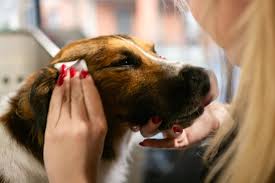
6. Grooming & Physical Health Checks
Daily or weekly grooming routines contribute to calmness and health monitoring:
-
Brushing & Coat Care: Reduces shedding and prevents matting, which can cause discomfort
-
Nail Trimming: Prevents injury and promotes comfortable movement
-
Dental Hygiene: Chews, toothpaste, or professional cleanings maintain oral health
-
Ear & Skin Checks: Early detection of infections or parasites improves long-term health
Regular grooming sessions also double as bonding time, reducing anxiety and improving trust between pet and owner.
7. Calm & Mindful Practices
Pets benefit from stress-reduction strategies within the home:
-
Safe Spaces: Provide a quiet corner with a bed or crate for pets to retreat
-
Background Music: Soft classical or pet-calming playlists can reduce stress
-
Aromatherapy: Use pet-safe calming diffusers with lavender or chamomile (vetted by a veterinarian)
-
Massage & Gentle Handling: Improves circulation, reduces anxiety, and strengthens the human-pet bond
These practices help pets wind down after active periods and prepare for restful sleep.
8. Adapting to Your Pet’s Lifestyle
Not all pets require the same intensity or schedule:
-
High-Energy Pets: Require multiple play sessions, mental challenges, and longer walks
-
Senior Pets: Need gentler exercise, more frequent rest, and joint-supportive care
-
Anxious or Nervous Pets: Benefit from structured routines, safe spaces, and gradual exposure to new activities
Observe your pet’s responses to each routine component and adjust frequency, duration, and intensity accordingly.
9. Tracking Progress & Health
Keeping a simple wellness log helps monitor your pet’s activity, mood, and behavior:
-
Track weight, appetite, and activity levels
-
Note behavioral changes or stress signs
-
Record vet visits, medication schedules, or supplements
For tech-savvy owners, smart wearables and GPS collars can complement routines by tracking movement, sleep patterns, and activity metrics—making it easier to maintain consistency and detect early health issues.
10. Building Consistency & Positive Reinforcement
Pets thrive on predictability. Reinforce your wellness routine with:
-
Rewards: Treats, praise, and affection for participation
-
Routine Cues: Use the same phrases, signals, or gestures for activities
-
Patience: Gradual introduction of new elements reduces stress
Over time, a structured and rewarding routine creates calm, happy, and engaged pets.
Conclusion
A home wellness routine is more than just exercise or feeding—it’s a comprehensive approach that blends physical activity, mental stimulation, proper nutrition, grooming, and calming practices. By understanding your pet’s unique needs and designing a predictable, balanced daily schedule, you can ensure they remain active, calm, and emotionally healthy.
Consistency, observation, and a willingness to adapt are the keys to success. With a thoughtfully crafted wellness routine, pets not only enjoy better physical health—they also become more confident, relaxed, and connected with their owners.
In short: a happy pet starts with a home that nurtures both body and mind.