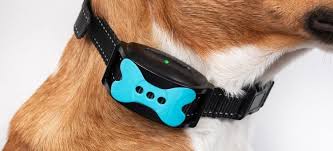
Technology has transformed nearly every aspect of modern life, and pet care is no exception. From automated feeders to AI-powered veterinary diagnostics, innovation is helping pet owners monitor their animals more closely than ever before. Among the most impactful advancements are smart wearables and GPS collars, devices designed to track location, monitor activity levels, and even measure health indicators in real time.
These smart devices provide more than convenience—they play a crucial role in preventing pet loss, detecting early health issues, managing fitness levels, and improving overall well-being. As more households adopt wearable pet technology, understanding how these devices function and the benefits they provide can help pet owners make informed decisions about protecting and caring for their animals.
What Are Smart Pet Wearables?
Smart pet wearables are electronic devices worn by pets, usually attached to a collar or harness, that collect and transmit data about the animal’s movements, location, and physical condition. They typically connect to smartphone apps that allow owners to monitor their pets remotely.
Common features include:
- GPS location tracking
- Activity monitoring (steps, movement intensity)
- Sleep pattern tracking
- Heart rate and vital sign monitoring (advanced models)
- Geofencing alerts (notifications if a pet leaves a designated area)
- Behavioral insights and wellness reports
These technologies combine GPS, Bluetooth, cellular networks, and health sensors to provide continuous insights into a pet’s daily life.
GPS Tracking: Enhancing Pet Safety
Preventing Pet Loss
One of the most important benefits of GPS collars is their ability to locate lost pets quickly. Traditional ID tags rely on someone finding the animal and contacting the owner, but GPS tracking allows real-time location monitoring directly from a smartphone.
If a pet escapes through an open gate or runs away during travel, owners can immediately:
- View the pet’s live location on a digital map
- Track movement in real time
- Navigate directly to the pet’s position
- Receive alerts when the pet exits a safe zone
This significantly increases the chances of fast recovery and reduces the emotional stress associated with lost pets.
Geofencing for Extra Protection
Many GPS collars allow owners to set virtual boundaries, known as geofences. If the pet crosses these boundaries, the system sends instant notifications. This feature is particularly useful for:
- Outdoor cats
- Dogs living in large properties
- Pets staying with caregivers
- Travel situations such as camping or vacations
Geofencing ensures that owners know immediately when their pet moves outside safe areas.
Activity Tracking: Managing Pet Fitness and Weight
Just like humans, pets require consistent physical activity to maintain healthy body weight and cardiovascular health. Obesity in pets has become a growing concern worldwide, contributing to conditions such as diabetes, joint problems, and heart disease.
Smart wearables help manage fitness by:
- Tracking daily movement levels
- Measuring exercise duration and intensity
- Setting activity goals based on breed, age, and size
- Comparing daily performance trends
- Encouraging consistent exercise routines
For working dogs, sporting breeds, or highly active pets, activity tracking helps ensure they receive enough exercise. For less active pets, it helps owners recognize when lifestyle changes are needed.
Health Monitoring: Early Detection of Medical Issues
Advanced wearable devices go beyond activity tracking by monitoring physiological indicators, offering early warning signs of potential health problems.
Vital Sign Monitoring
Some smart collars measure:
- Heart rate
- Respiratory rate
- Body temperature
- Resting patterns
Changes in these indicators can signal illness before visible symptoms appear, allowing early veterinary intervention.
Behavioral Pattern Analysis
Wearables also track subtle behavioral shifts such as:
- Reduced activity levels
- Increased restlessness
- Changes in sleep cycles
- Excessive scratching or movement irregularities
Because pets cannot communicate discomfort verbally, these patterns often provide the first clues that something is wrong.
Early detection can help identify conditions such as:
- Joint pain or arthritis
- Infections
- Stress-related disorders
- Digestive problems
- Cardiac irregularities
Improving Preventive Veterinary Care
Smart wearable data can be shared with veterinarians, helping them make more informed decisions. Instead of relying solely on occasional clinic visits, veterinarians can review continuous health trends, including activity levels, sleep patterns, and vital statistics.
This data-driven approach supports:
- Preventive health planning
- Better chronic disease management
- More accurate treatment adjustments
- Long-term wellness monitoring
Over time, wearable technology may become a standard tool in preventive veterinary medicine.
Stress and Behavioral Monitoring
Stress affects pets just as it affects humans. Environmental changes, travel, loud noises, or separation anxiety can trigger physiological stress responses that influence both behavior and health.
Some wearables track indicators associated with stress, including:
- Elevated heart rate
- Restlessness
- Reduced sleep quality
- Sudden behavioral changes
Identifying these patterns helps owners understand triggers and implement solutions such as environmental adjustments, behavioral training, or veterinary consultation.
Special Benefits for Senior Pets
Older pets often require closer health monitoring because age increases the risk of chronic conditions. Smart wearables are especially valuable for senior animals because they can:
- Detect declining activity levels
- Identify early mobility problems
- Monitor sleep disturbances
- Track recovery progress after medical procedures
- Provide alerts for unusual inactivity
Continuous monitoring allows owners to respond quickly to health changes that might otherwise go unnoticed.
Smart Wearables for Cats vs. Dogs
While wearable technology initially focused on dogs, modern devices are increasingly designed for cats as well.
For Dogs
- Ideal for active breeds
- Useful for outdoor dogs or those living on large properties
- Helpful for working, sporting, or service animals
- Excellent for weight management programs
For Cats
- GPS tracking is particularly valuable for outdoor cats
- Lightweight designs reduce discomfort
- Helps monitor roaming patterns and territory size
- Useful for tracking behavioral and activity changes
The expansion of cat-friendly devices is helping address a long-standing gap in feline monitoring technology.
Integration with Smart Home and Pet Care Systems
Many smart pet wearables now integrate with broader smart-home ecosystems, enabling features such as:
- Automatic feeder adjustments based on activity level
- Smart pet doors that unlock when the pet approaches
- Home monitoring systems linked to pet movement
- Automated wellness reports sent to mobile devices
This integration creates a connected pet-care environment, allowing owners to manage feeding, safety, and health monitoring seamlessly.
Limitations and Considerations
While smart collars provide many benefits, pet owners should consider certain factors before choosing a device:
- Battery Life – GPS tracking consumes power, requiring regular charging.
- Comfort and Fit – Devices must be lightweight and properly fitted to avoid irritation.
- Subscription Costs – Some GPS systems require monthly cellular service fees.
- Durability – Waterproof and rugged designs are essential for active pets.
- Accuracy Variations – GPS precision may vary depending on network coverage.
Selecting the right device depends on the pet’s size, lifestyle, and specific monitoring needs.
The Future of Pet Wearable Technology
The next generation of smart pet wearables is expected to include:
- AI-driven health prediction systems
- Continuous glucose monitoring for diabetic pets
- Advanced biometric sensors for disease detection
- Integration with veterinary telehealth platforms
- Personalized health dashboards powered by machine learning
As these innovations develop, wearable technology will play an increasingly important role in preventive pet healthcare, shifting focus from reactive treatment to proactive monitoring.
Conclusion
Smart wearables and GPS collars represent a major advancement in modern pet care, offering powerful tools for location tracking, health monitoring, behavioral insights, and preventive wellness management. By providing real-time data about a pet’s movements, physical condition, and activity levels, these devices help owners respond quickly to emergencies, detect early health issues, and maintain healthier lifestyles for their animals.
As technology continues to evolve, wearable monitoring will likely become a standard component of responsible pet ownership, giving pets greater safety, improved healthcare, and longer, healthier lives while providing owners with peace of mind.