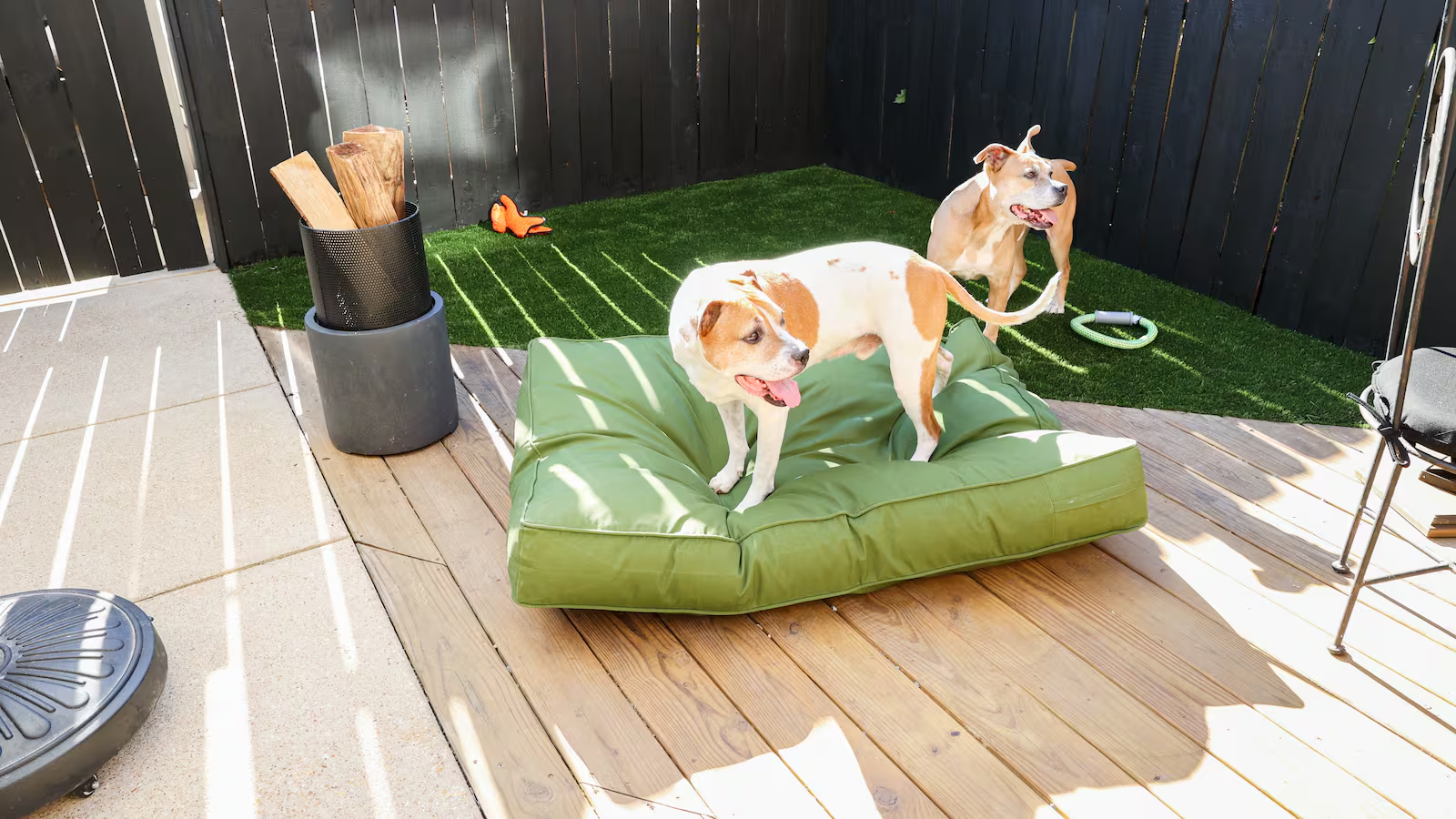
Creating an outdoor living space for your pets is one of the most rewarding upgrades you can make to your home. Whether you live in a house with a yard, a balcony apartment, or a home with a modest patio, thoughtfully designed outdoor pet areas provide exercise, stimulation, fresh air, and relaxation opportunities for both dogs and cats. But building a pet patio is not just about aesthetics—it must balance safety, durability, comfort, and visual appeal.
This comprehensive guide explains how to plan, design, and build safe, stylish outdoor pet spaces that meet your pets’ needs while enhancing your home’s outdoor beauty.
Why Outdoor Pet Spaces Matter
Pets thrive in environments that allow exploration, sunlight exposure, movement, and sensory stimulation. Outdoor pet spaces:
- Encourage exercise and healthy weight management
- Reduce stress, boredom, and destructive behavior
- Provide enrichment through scents, textures, and wildlife observation
- Offer a controlled environment safer than free roaming
Well-designed patios also help owners manage pets more effectively by creating defined zones for play, rest, feeding, and training.
Step 1: Planning the Space – Understanding Your Pet’s Needs
Before building anything, analyze your pet’s behavior, breed characteristics, and activity level.
Dogs
- Need open play zones
- Enjoy digging areas, running paths, and interactive toys
- Require shaded resting zones and water stations
Cats
- Prefer climbing structures and elevated viewing platforms
- Enjoy enclosed “catios” for safe outdoor exploration
- Need scratching posts, hiding corners, and perches
Designing according to behavior ensures the space is actually used rather than ignored.
Step 2: Safety First – The Foundation of Every Pet Patio
Safety must always be the first design priority. A beautiful outdoor pet space is meaningless if it exposes pets to hazards.
Secure Enclosures and Fencing
- Use sturdy fencing or mesh to prevent escapes and intrusions
- Install underground mesh barriers if pets dig
- Add lockable doors for maintenance access
- Ensure fencing openings are small enough to prevent squeezing through
Buried perimeter mesh can prevent digging escapes and wildlife entry in outdoor enclosures.
Avoid Toxic Plants and Chemicals
Many garden plants are dangerous to pets. Avoid:
- Lilies (extremely toxic to cats)
- Azaleas
- Oleander
- Daffodils
- Tulips
Use pet-safe alternatives like rosemary, basil, lavender, or sunflowers.
Also avoid pesticides and harsh chemicals; choose pet-safe natural pest control methods.
Remove Hazardous Materials
Keep grills, sharp tools, fertilizers, and fire pits out of reach, and store hazardous items in locked outdoor boxes.
Step 3: Choosing the Right Flooring Materials
Flooring affects comfort, hygiene, and maintenance.
Popular Pet-Friendly Flooring Options
- Artificial turf with drainage layers
- Composite decking
- Pavers or gravel
- Natural grass
- Outdoor rubber flooring
Proper drainage is essential to prevent water pooling, odor buildup, and bacterial growth.
Avoid slippery surfaces such as polished stone or smooth tiles, which may cause injuries.
Step 4: Creating Shade, Shelter, and Comfort Zones
Outdoor exposure requires proper temperature management.
Shade Options
- Pergolas
- Shade sails
- Patio umbrellas
- Trees or shrubs
Pets overheat faster than humans, so shaded resting areas are essential.
Shelter Ideas
- Weather-resistant dog houses
- Covered cat enclosures
- Outdoor pet beds
- Cooling mats in hot climates
Sheltered comfort zones also provide security and help pets relax outdoors.
Step 5: Designing Enrichment Areas for Exercise and Stimulation
A functional pet patio is more than empty space—it should stimulate both physical and mental activity.
Activity Ideas for Dogs
- Fetch zones
- Agility ramps and tunnels
- Digging sandboxes
- Splash pools or shallow water features
Activity Ideas for Cats
- Vertical climbing shelves
- Multi-level platforms
- Scratching surfaces
- Observation perches
Multi-level structures create a 3-dimensional playground that encourages activity and exercise.
Step 6: Hydration and Feeding Stations
Outdoor play increases water consumption, especially in warm climates.
Best practices:
- Place water bowls in shaded areas
- Use spill-proof or heavy bowls
- Consider automatic fountains for continuous fresh water
Providing constant access to water is essential for outdoor safety.
Step 7: Designing Stylish Outdoor Pet Spaces
A modern pet patio should blend seamlessly with the home’s design.
Style Tips
- Match fencing color with home exterior
- Use decorative planters and pet-safe greenery
- Add outdoor rugs and cushions
- Integrate climbing shelves into garden walls
- Install lighting for evening ambiance
Stylish design makes the pet area look like a luxury outdoor lounge rather than a utility zone.
Step 8: Weather-Proofing Your Pet Patio
Outdoor environments expose structures to rain, sun, and wind. Use:
- Weather-resistant wood or composite materials
- Rust-resistant galvanized mesh
- Waterproof cushions and fabrics
- Roof panels or covered sections for rain protection
Regular inspection ensures the enclosure remains secure and durable over time.
Step 9: Maintenance and Hygiene
Cleanliness is critical for pet health.
Routine maintenance should include:
- Daily waste removal
- Regular surface cleaning
- Inspecting mesh or fencing for damage
- Checking drainage systems
- Trimming plants around enclosures
Routine sanitation prevents bacteria buildup and unpleasant odors.
Step 10: Designing Spaces for Different Home Types
Backyard Homes
- Build larger fenced play yards
- Add agility equipment
- Include separate resting zones
Apartment Balconies
- Install catio enclosures
- Use compact turf flooring
- Add climbing shelves and perches
Small Patios
- Use vertical space efficiently
- Install foldable shade structures
- Use multifunctional furniture (bench + storage)
Even small outdoor areas can become stimulating pet environments when vertical design is used effectively.
Step 11: Budget-Friendly DIY Pet Patio Ideas
You don’t need expensive materials to create an excellent pet patio.
Affordable ideas include:
- Repurposed pallets for climbing structures
- DIY shade sails using outdoor fabric
- Sandboxes made from wooden frames
- Recycled plastic barrels for tunnels
- Simple mesh enclosures attached to walls
DIY solutions allow customization based on pet size and home layout.
Step 12: Common Mistakes to Avoid
Many pet owners unknowingly design patios that look attractive but function poorly.
Avoid:
- Overcrowded layouts with no open play space
- Using toxic plants or treated wood
- Ignoring drainage systems
- Installing weak fencing
- Leaving water bowls exposed to sun
- Creating slippery flooring surfaces
Correct planning prevents costly redesign later.
The Future of Outdoor Pet Spaces
Modern pet patios are evolving into luxury outdoor environments, featuring:
- Smart pet doors
- Motion-activated lighting
- Pet cameras
- Climate-controlled shelters
- Designer catios integrated into architecture
As pets increasingly become part of the family, outdoor pet spaces are shifting from basic containment areas into lifestyle extensions of the home.
Final Thoughts
Building a safe and stylish outdoor pet patio is one of the best investments you can make in your pet’s well-being. By combining security, enrichment, comfort, and design aesthetics, you create a space where pets can safely enjoy nature while staying protected from hazards.
A thoughtfully designed outdoor pet environment:
- Improves physical and mental health
- Reduces destructive indoor behavior
- Strengthens the bond between pets and owners
- Enhances the beauty and functionality of your outdoor living space
Whether you design a large backyard play zone, a balcony catio, or a small patio retreat, the key is planning intentionally—prioritizing safety first, then building comfort and style around it.