In recent years, you may have noticed something unusual on your pet store shelves: dog kibble or cat treats that list insects high on the ingredient panel. For some pet parents, the idea of feeding bugs to dogs and cats feels strange. For others, it’s a welcome innovation — especially among those concerned with sustainability and nutrition.
But beyond the buzz, there’s an important question every pet owner should ask: Is insect-protein pet food actually nutritionally worth it? This article explores everything you need to know — from what insect protein is, how it compares to traditional meat sources, the potential benefits and limitations, to tips on choosing and feeding insect-based diets.
What Is Insect Protein?
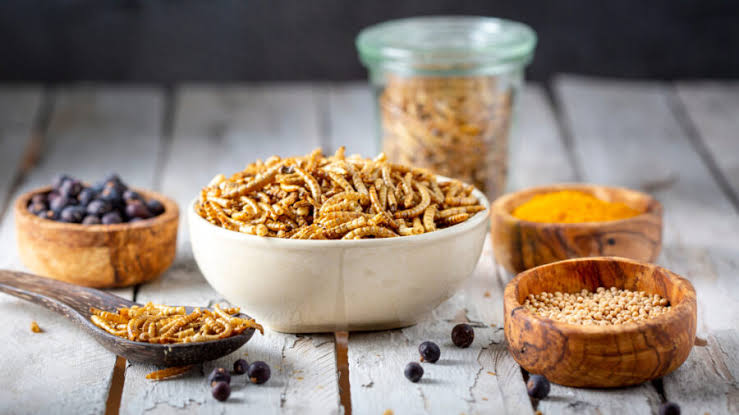
Insect protein refers to the protein extracted from edible insects — most commonly:
-
Black Soldier Fly Larvae (BSFL)
-
Mealworms
-
Crickets
These are processed into meal or flour and used as a primary or supplemental protein in pet food. They are not served whole, crunchy bugs; instead, insects are dried, ground, and incorporated into kibble, wet food, or treats in forms that are similar to traditional meals, like chicken meal or fish meal. MDPI+1
Why Insects Are Being Used in Pet Food
Before we dive into the nutritional question, it helps to understand why insect protein is gaining attention.
1. Sustainability
Traditional meat production — beef, pork, poultry, and fish — requires vast land, water, and produces significant greenhouse gas emissions. In contrast, insects:
-
Require much less feed and land to produce the same amount of protein
-
Emit far fewer greenhouse gases
-
Can be raised on organic waste
These qualities make insects an environmentally friendly source of animal protein. BSM Partners
2. Rising Consumer Demand
Pet owners are increasingly concerned about environmental impact and long-term food security. Many are interested in alternative proteins that reduce their pet’s ecological footprint.
3. Novel Protein for Food Allergies
Traditional proteins like chicken, beef, or fish can trigger allergies in some pets. Insects are novel proteins — meaning pets are less likely to have been exposed or sensitized to them — making them attractive for limited-ingredient diets.
The Nutritional Breakdown of Insect Protein
Now to the core of the topic: is insect protein nutritionally valuable for dogs and cats? Let’s break this down into digestibility, protein quality, essential nutrients, and practical concerns.
1. Protein Content and Quality
One of the primary measures of a protein source is its amino acid profile — essentially, whether it supplies all the building blocks pets need.
-
Insects have high levels of protein, often between 40–70% on a dry matter basis. Dog Food Advisor
-
They provide a complete amino acid profile with all essential amino acids pets need for maintenance and growth. PetfoodIndustry
-
Studies show that when insect protein replaces traditional poultry meal, many dogs digest it just as well — with comparable protein digestibility. MDPI
In practical terms, this means insect protein can meet the basic protein requirements for dogs and, depending on formulation, cats when included in complete diets.
2. Digestibility and Energy Supply
Digestibility refers to how easily an animal can break down and absorb nutrients from food.
Research shows that diets containing insect meals — such as black soldier fly larvae — don’t negatively affect digestion or fecal quality in dogs when included at moderate levels. MDPI
However, there is a nuance: insects contain chitin, a structural carbohydrate that makes up their exoskeleton. Chitin is largely fiber and not digestible by dogs and cats. Higher chitin levels can mean:
-
Less digestible material in the diet
-
Slight increases in fecal volume
-
Variable effect on nutrient absorption
That said, within balanced commercial diets, insect protein has been shown to support adequate nutrition without major issues. MDPI
3. Essential Nutrients Beyond Protein
Insects are not just a protein source — they offer a range of other nutrients:
-
Healthy fats, including omega-3 and omega-6 fatty acids, which support skin and coat health
-
Micronutrients, such as iron, calcium, zinc
-
Bioactive components, like peptides that may have antioxidant or anti-inflammatory properties (still emerging research) OUP Academic
These factors contribute to energy, metabolism, and overall health when balanced in a complete diet.
Health Benefits Beyond Straight Nutrition
Insect protein can have functional benefits beyond calories and amino acids. Here’s how insect-based diets may support pet health:
1. Prebiotic Effects
The chitin in insects acts like fiber, feeding beneficial gut bacteria and possibly improving the gut microbiome — important for digestive health. PetfoodIndustry
2. Hypoallergenic Potential
Because insects are novel proteins, they may be suitable for pets with food sensitivities or intolerances to common proteins like chicken, beef, or fish. PetfoodIndustry
3. Immune and Metabolic Support
Some early research suggests insect protein may have functional properties that support immune responses or metabolic health — though more studies are needed to confirm these effects. PetfoodIndustry
How Does Insect Protein Compare to Traditional Proteins?
When evaluating nutritional worth, comparison is critical.
Protein Level and Quality
Insects can offer protein levels similar to poultry meal and other traditional meat meals. For example, defatted mealworm flour has protein amounts comparable to beef or chicken meal when measured on a dry basis. Dog Food Advisor
Essential Amino Acids
Insects contain all essential amino acids needed by pets, and in some cases, comparable or higher than other protein sources. PetfoodIndustry
Digestibility
Most studies suggest dogs handle insect proteins well with good digestibility — a key factor for nutritional adequacy. MDPI
Cats: Special Considerations
Cats are obligate carnivores — they need certain nutrients like taurine that must come from animal proteins. Studies on insect diets in cats are fewer, and palatability can vary. Some research indicates cats may be less inclined to accept high levels of insect meal compared to dogs, potentially due to taste or texture preferences. Kemin Industries
Challenges and Limitations of Insect-Protein Diets
No pet food option is perfect, and insect protein comes with some considerations:
1. Variability in Nutrition
Not all insect-based products are formulated the same. Some may meet nutritional guidelines while others may not — especially regarding minerals like calcium and phosphorus. MDPI
2. Chitin and Digestibility
While chitin can benefit the gut, too much may reduce digestibility. The right balance is key.
3. Palatability Issues
Most dogs accept insect-protein foods well, but some cats may be picky or reject diets with high insect content. Kemin Industries
4. Consumer Perception
Some pet parents are uneasy about feeding insects. This doesn’t affect nutrition directly, but it does impact adoption and acceptance.
Regulatory and Safety Standards
In major markets like the U.S. and Europe, regulations have evolved to allow certain insect proteins in pet foods. For instance, black soldier fly larvae are approved for use in adult dog food by recognized feed authorities. DVM360
Safety standards and quality controls are crucial. Always choose brands that:
-
Formulate diets to meet established nutritional profiles
-
Undergo feeding trials or nutrient analysis
-
Source insects from controlled, hygienic farms
Who Might Benefit Most From Insect-Protein Pet Food?
Here are some scenarios where insect protein may be particularly helpful:
1. Pets with Allergies or Sensitivities
Pets that react to common proteins may do better on a novel protein like insects.
2. Environmentally Conscious Owners
If sustainability matters to you, insects are one of the most eco-friendly protein options available.
3. Pets with Digestive Fragility
Some pets may tolerate insects well because of their protein structure and prebiotic effects.
4. Owners Seeking Novel Diets
Pets bored with traditional proteins might enjoy the novelty — especially if the food is palatable to them.
Is It Worth Switching Your Pet to Insect Protein?
The short answer: It depends.
Insect protein can be nutritionally worth it — provided the diet is complete, balanced, meets your pet’s life-stage requirements, and your pet accepts it.
If you’re considering a switch, think about:
-
Your pet’s health condition and nutritional needs
-
Ingredient transparency and product quality
-
Feeding trials and nutritional adequacy statements
-
How your pet responds to the food
Always consult your veterinarian before making major diet changes — especially if your pet has health issues or special dietary requirements.
Practical Tips for Feeding Insect-Protein Pet Food
Here’s how to introduce and evaluate an insect-based diet:
1. Gradual Transition
Mix the new food with the old over 7–10 days to reduce digestive upset.
2. Monitor Your Pet
Watch appetite, coat quality, energy level, stool consistency, and overall behavior.
3. Check Label Accuracy
Choose foods that follow established nutritional guidelines and provide complete and balanced nutrition.
4. Consider Treats First
If you’re unsure, start with insect-based treats to see how your pet reacts.
Future Outlook — Is Insect Protein Here to Stay?
The pet food industry continues to grow and innovate. Insects are not a fleeting trend — they represent a long-term shift toward more sustainable and diverse protein sources. Pet food makers, research institutions, and regulatory bodies are increasingly exploring and supporting insect proteins as viable alternatives. PetfoodIndustry
As research expands — especially around long-term health impacts, palatability for cats, and species-specific benefits — insect protein’s role in pet nutrition will continue to evolve.
Final Thoughts
So, is insect-protein pet food nutritionally worth it? The evidence suggests:
Insect proteins do provide high-quality nutrition
Digestibility and amino acid profiles can be on par with traditional meats
There are potential health benefits like gut support and hypoallergenic properties
Insects offer substantial sustainability advantages
⚠️ But, not all products are created equal — label quality, formulation, and your pet’s preferences matter. Starting with trusted brands and monitoring your pet’s response is key.
If you’re curious about trying insect-based food for your pet, you’re at the forefront of a growing nutritional movement that’s good for both pets and the planet.