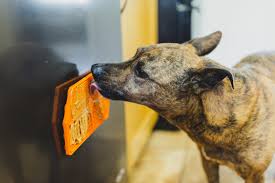
Urban living — with its bustling streets, tall buildings, crowded sidewalks, constant noise, and limited green space — presents a unique environment for pets. While city life offers many advantages, it also introduces challenges that can significantly influence pet behavior, emotional well-being, and overall quality of life.
Whether you live in a high-rise apartment in Lagos, a townhouse in London, or a condo in New York, urban environments alter daily routines and experiences for pets in ways that rural or suburban settings do not. This article explores how urban life shapes pet behavior and provides practical strategies to help you support your furry companion’s physical and psychological needs.
Why Urban Environments Impact Pets
Before diving into specific behaviors, it’s important to understand why urban living affects pets:
1. High Levels of Sensory Stimulation
Cities are noisy, unpredictable places. Traffic, sirens, construction, crowds, and unfamiliar animals stimulate pets continuously.
For dogs and cats — both wired to be sensitive to environmental cues — this constant stimulation can drive stress, anxiety, or over-arousal.
2. Limited Green Space
Urban homes often lack yards or easy access to grass and natural surfaces. This means:
-
Fewer opportunities for free exploration
-
Limited scent-driven activities (especially important for dogs)
-
Less space for vigorous exercise
3. Denser Populations
More people and pets in closer proximity can increase:
-
Social stress
-
Territorial tensions
-
Reactive behaviors
4. Constrained Movement
Elevators, stairs, traffic, and leash restrictions limit pets’ choices and control over their environment — a factor known to influence stress levels.
Common Behavioral Changes Linked to Urban Living
Pets adapt in different ways, but certain patterns are common among urban animals. Below, we explore these behaviors and what they often signify:
1. Increased Anxiety or Nervousness
Signs
-
Excessive panting
-
Pacing
-
Startle reactions to everyday urban sounds
-
Clinginess or shadowing owners
-
Reluctance to go outside
Why It Happens
Urban noise and unpredictability can overwhelm pets’ sensory systems. Unlike rural environments where sounds are spaced out and predictable, cities bombard animals with sudden loud or unfamiliar noises:
-
Buses and cars
-
Horns and construction drills
-
Fireworks or loud celebrations
-
Sirens
The pet’s nervous system perceives these as potential threats, triggering a fight-or-flight stress response.
2. Reactivity and Over-Alertness
Signs
-
Barking, lunging, or growling at passersby
-
Frequent fixation on sights or sounds
-
Inability to settle down outdoors
Urban dogs and cats often become hyper-vigilant because there are always stimuli — riders on scooters, cars, cyclists, unfamiliar humans, strange animals, fluttering flags, etc. What might be a “neutral” situation in quieter environments becomes a trigger in cities.
3. Noise Sensitivity & Startle Responses
Urban pets can develop sound sensitivities simply because they are frequently exposed to abrupt noises without predictability or context. Over time, this can evolve into:
-
Fear of outside environments
-
Avoidance of balconies or windows
-
Sleep disruption
Sound sensitivity isn’t limited to dogs — cats also show signs like freezing, hiding, or swatting when startled.
4. Separation Anxiety
Urban lifestyles often come with longer work hours, commutes, and social schedules. Pets left alone for long periods may develop:
-
Howling or excessive barking
-
Chewing furniture
-
Urinating or defecating indoors
Social animals — especially dogs — were not designed for prolonged solitude. Urban confinement can intensify feelings of loneliness.
5. Reduced Physical Activity
Without backyards, free roaming, or natural terrain, pets may receive significantly less exercise. Declines in activity can contribute to:
-
Weight gain
-
Low energy
-
Boredom and destructive behaviors
-
Increased anxiety
Cats confined to apartments may sit idle for up to 20 hours per day without mental or physical challenges.
6. Obsessive or Repetitive Behaviors
In stressful or under-stimulating environments, pets sometimes develop:
-
Pacing
-
Tail chasing
-
Excessive grooming
-
Shadow chasing
Unlike play, these behaviors often signify stress or unmet behavioral needs rather than healthy stimulation.
How Urban Experiences Can Affect Specific Pets
The way an animal responds to city life can depend on:
-
Species (dog, cat, rabbit, bird, etc.)
-
Breed tendencies
-
Early socialization
-
Age
-
Prior experiences
Let’s explore how urban life uniquely impacts common companion pets.
Dogs in the City: Stress, Stimulation, and Social Dynamics
Common Urban Dog Behaviors
-
Leash reactivity or pulling
-
Barking at passersby
-
Fear of loud sounds
-
Social anxieties around unfamiliar dogs
-
Excitement overload
Dogs are social, scent-driven creatures. In cities, their natural behaviors are constrained:
-
Less free running
-
Shorter sniffing periods
-
Limited choices of routes
-
Increased leash tension
These conditions can contribute to frustration and behavioral issues.
Cats in Urban Settings: Indoor Life & Environmental Needs
Cats may seem well-suited for indoor living, but confinement without enrichment can lead to:
-
Lack of vertical space
-
Limited territory exploration
-
Unpredictable outdoor stimuli from balconies or windows
-
Reduced hunting/recreational behavior
Without proper enrichment, cats may display boredom or irritability — even aggression.
Small Pets & Birds: Sensitivity to Noise and Light
Rabbits, guinea pigs, and birds often have highly sensitive nervous systems. Urban noise, light pollution, and irregular foot traffic can:
-
Disrupt sleep cycles
-
Increase stress hormones
-
Trigger hiding or aggressive behavior
Because small pets have limited ways to express distress, these changes can escalate quickly.
What You Can Do: Supporting Urban Pets Behaviorally
Thankfully, cities aren’t inherently bad for pets — they just require deliberate behavioral support and environmental adjustments. Here’s how to turn urban challenges into manageable (and often enriching) experiences.
1. Create a Predictable & Safe Home Environment
Routine matters.
Daily Structure
-
Consistent feeding times
-
Scheduled play and exercise
-
Predictable waking and sleeping routines
Predictability reduces anxiety by providing control over daily experiences.
Calming Spaces
Designate a safe zone for your pet:
-
Soft bedding
-
Quiet corners
-
Covered spaces for hiding (cats especially)
-
Low-noise areas away from street noise
Use calming scents (e.g., pheromone diffusers) and sound machines if necessary.
2. Enrichment That Mimics Natural Behavior
Urban pets need extra mental and physical engagement.
For Dogs
-
Scent trails in safe areas
-
Puzzle feeders
-
Varied walking routes
-
Controlled socialization
-
Obedience games
Dogs explore primarily through scent — urban walks should emphasize sniffing and decision-making, not just forward motion.
For Cats
-
Vertical spaces (cat trees, shelves)
-
Window perches facing activity
-
Interactive play (wand toys, laser pointers)
-
Puzzle food toys
-
Rotating toy options to prevent boredom
Cats are territorial — expanding their perceived territory through vertical levels and sensory enrichment helps reduce stress.
3. Noise Desensitization & Sound Conditioning
Many urban pets react strongly to noise because they rarely experience gradual exposure. You can change that.
Techniques
-
Controlled sound exposure at low, predictable levels
-
Pairing sounds with rewards (treats, praise)
-
Increasing volume gradually
-
Using positive reinforcement only (never punishment)
This type of behavioral conditioning helps pets reframe unpredictable sounds as non-threatening.
4. Address Separation Anxiety Practically
Separation anxiety peaks in pets that have limited stimulation and inconsistent routines.
Strategies
-
Short departures followed by calm reunions
-
Puzzle toys or food dispensers during absences
-
Background sound (music or white noise)
-
Practice alone time gradually
Separation anxiety isn’t fixed overnight — but regular desensitization helps pets build confidence.
5. Training as an Enrichment Tool
Training isn’t just for obedience — it’s mental exercise.
Benefits of Training
-
Confidence building
-
Improved impulse control
-
Better communication between pet and owner
-
Cognitive engagement
Short, positive, frequent sessions work better than marathon training.
6. Incorporate Urban-Appropriate Exercise
Even limited spaces can support physical activity.
For Dogs
-
Interval walks (short bursts of walking + sniff time)
-
Stair sessions (safely supervised)
-
Indoor fetch or hide-and-seek
For Indoor Cats
-
Cat treadmills
-
DIY obstacle courses
-
Fetch with small toys
Movement releases endorphins that help reduce stress and improve mood.
7. Socialization — But on Your Pet’s Terms
Socialization doesn’t mean forcing interaction — it means positive exposure.
For Dogs
-
Controlled meet-and-greets
-
Group classes with trained guides
-
Neutral territory interactions
-
Avoiding overwhelming dog parks
For Cats
-
Slow introductions to safe humans if they enjoy it
-
Allowing cats to choose closeness
Socialization should empower pets, not overwhelm them.
8. Keep Veterinary & Behavioral Check-Ins Routine
Urban environments expose pets to health risks (noise, pollution, stress) that may not be obvious in routine behavior.
Wellness Monitoring
-
Regular vet check-ups
-
Behavioral evaluations if changes emerge
-
Early detection of anxiety-based disorders
-
Nutritional counseling
Health and behavior are interconnected — one affects the other significantly.
Case Studies: Urban Pet Behavior Success Stories
Case Study 1: Barking & Overstimulation
A city dog who barked at every passersby improved dramatically by:
-
Shorter, structured walks emphasizing sniffing
-
Sound conditioning with real-world recordings
-
Daily cognitive puzzles
By focusing on predictability and controlled exposure, the dog’s stress levels reduced significantly.
Case Study 2: Indoor Cat With Boredom Behaviors
A cat stuck in an apartment showed:
-
Excessive pacing
-
Tail chasing
-
Aggression
After adding:
-
Window perches
-
Vertical shelving
-
Scheduled play sessions
-
Puzzle feeders
The cat became calmer, more engaged, and more affectionate.
Urban Environments Aren’t the Enemy — Just Different
With intentional care, city living can be just as fulfilling for pets as countryside or suburban living.
Urban pets benefit from:
-
Sensory enrichment
-
Behavioral conditioning
-
Structured routines
-
Predictable interactions
-
Positive urban exposure
City life can be stimulating in healthy ways if guided by intentional pet care.
Final Thoughts: Behavior Is Communication
Urban challenges don’t create “bad pets” — they reveal unmet needs. Behaviors like anxiety, barking, pacing, separation distress, or reactivity aren’t willful disobedience — they are communication.
Your pet is telling you something: they need support, structure, stimulation, or calm.
When you listen and respond with understanding, the effects of urban living become manageable — even enriching.
Urban environments offer diverse sights, smells, and experiences. With the right support, your pet can not only cope, but thrive in city life.