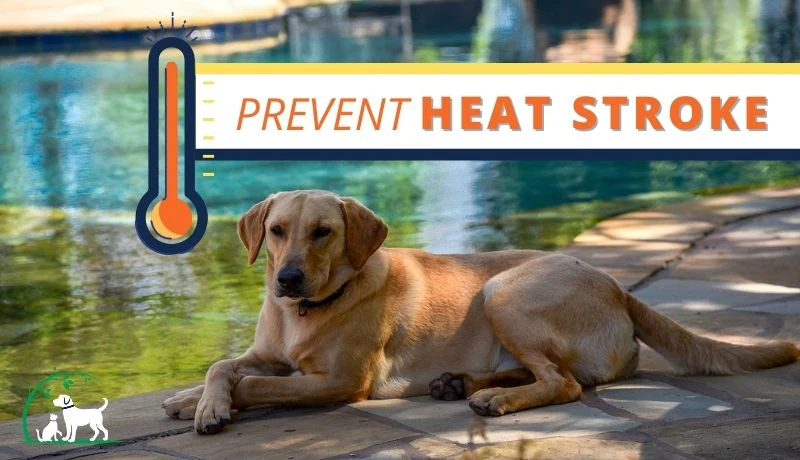
Let’s talk about something a lot of pet owners underestimate—weather risks.
Because here’s the truth…
Your pet doesn’t understand when it’s too hot or too cold.
They don’t know when they’re crossing into danger.
And that’s exactly why conditions like heatstroke and cold stress can escalate quickly—sometimes faster than you’d expect.
So if you really want to keep your pet safe year-round, you need to understand both extremes and how to handle them properly.
First—Why This Matters More Than You Think
Pets regulate temperature very differently from humans.
- Dogs rely heavily on panting, not sweating
- Cats may hide discomfort until it’s serious
- Smaller pets lose heat faster
- Thick-coated pets overheat quicker than expected
So what feels “fine” to you might already be dangerous for them.
PART 1: Protecting Your Pet from Heatstroke
What Is Heatstroke (And Why It’s Dangerous)?
Heatstroke happens when your pet’s body temperature rises beyond safe levels—and they can’t cool down.
This isn’t just discomfort.
👉 It can lead to:
- Organ failure
- Brain damage
- Death (if not treated quickly)
And the scary part?
It can happen in minutes.
Early Warning Signs You Should NEVER Ignore
Watch closely for:
- Excessive panting or drooling
- Weakness or collapse
- Vomiting or diarrhea
- Bright red or pale gums
- Confusion or disorientation
If you see these signs, act immediately.
The Biggest Heatstroke Mistakes Pet Owners Make
Let’s be real—these are common and dangerous:
❌ Leaving pets in parked cars (even for “just 5 minutes”)
❌ Walking dogs during peak afternoon heat
❌ Assuming shade alone is enough
❌ Not providing constant fresh water
These small mistakes can turn serious very quickly.
How to Actually Protect Your Pet from Heat
1. Control When They Go Outside
This alone can save your pet’s life.
- Walk early morning or late evening
- Avoid hot surfaces (asphalt can burn paws)
- Keep outdoor time short during extreme heat
If it’s too hot for your hand on the ground—it’s too hot for their paws.
- Hydration Is Everything
Always have:
- Clean, fresh water available
- Multiple water points if possible
You can even:
- Add ice cubes
- Use pet water fountains
Encouraging drinking is key.
- Create Cool Spaces
Your pet needs a place to escape the heat.
This could be:
- Air-conditioned rooms
- Shaded areas with airflow
- Cooling mats or damp towels
Never assume they’ll “find a way” to cool themselves.
- Never Leave Them in Cars
Even with windows slightly open, temperatures inside a car can skyrocket within minutes.
This is one of the leading causes of heatstroke—and completely preventable.
- Know Emergency Cooling Steps
If your pet is overheating:
- Move them to a cool area immediately
- Use cool (not ice-cold) water on their body
- Offer small amounts of water
- Get to a vet as soon as possible
Don’t wait to “see if it improves.”
PART 2: Protecting Your Pet from Cold Weather Risks
Now let’s flip the situation.
Cold weather can be just as dangerous—especially for certain pets.
What Happens in Cold Conditions?
When temperatures drop too low, pets can experience:
- Hypothermia (dangerously low body temperature)
- Frostbite (especially on ears, paws, tail)
And again—this can happen faster than expected.
Signs Your Pet Is Too Cold
Watch for:
- Shivering
- Slowed movement
- Whining or anxiety
- Cold ears or paws
- Curling tightly or trying to hide
These are clear signals they need warmth—immediately.
Which Pets Are Most at Risk?
Not all pets handle cold the same way.
Higher risk includes:
- Short-haired breeds
- Small pets
- Puppies and kittens
- Senior pets
- Sick or underweight animals
These pets need extra protection.
How to Keep Your Pet Safe in Cold Weather
1. Limit Outdoor Exposure
Short, controlled outdoor time is best.
- Avoid long walks in extreme cold
- Bring pets inside as much as possible
Remember—comfort matters more than routine during harsh weather.
- Provide Warm Sleeping Areas
Your pet’s resting place should be:
- Dry
- Elevated from cold floors
- Well-padded with blankets
Cold surfaces can drain body heat quickly.
- Use Protective Clothing (When Necessary)
For pets that struggle in cold:
- Sweaters
- Jackets
This isn’t “extra”—it can be essential.
- Protect Their Paws
Cold surfaces, ice, and rough terrain can damage paws.
After walks:
- Check for cracks or injuries
- Wipe paws clean
- Dry thoroughly
This prevents irritation and infection.
- Watch Food & Energy Levels
Pets burn more energy trying to stay warm.
Make sure:
- They’re eating enough
- They’re maintaining a healthy weight
Energy = heat.
The Overlooked Danger: Sudden Temperature Changes
Here’s something many people don’t think about…
Moving your pet quickly from extreme heat to cold (or vice versa) can stress their system.
For example:
- Coming from hot outdoors → freezing AC room
- Coming from cold outdoors → intense indoor heat
Try to transition gradually when possible.
The Simple Rule That Keeps Pets Safe
If you take nothing else from this, remember this:
If the weather feels extreme to you, it’s even more extreme for your pet.
They rely completely on your judgment.
Final Thoughts
Protecting your pet from heatstroke and cold weather isn’t complicated—but it requires awareness and consistency.
It’s about:
- Paying attention to small signs
- Adjusting routines when needed
- Creating a safe environment year-round
Because at the end of the day, your pet won’t tell you:
“I’m overheating”
“I’m too cold”
But their body will show it.
And when you understand those signals—and take the right steps—you’re not just protecting them…
You’re giving them a safer, healthier, and much more comfortable life.